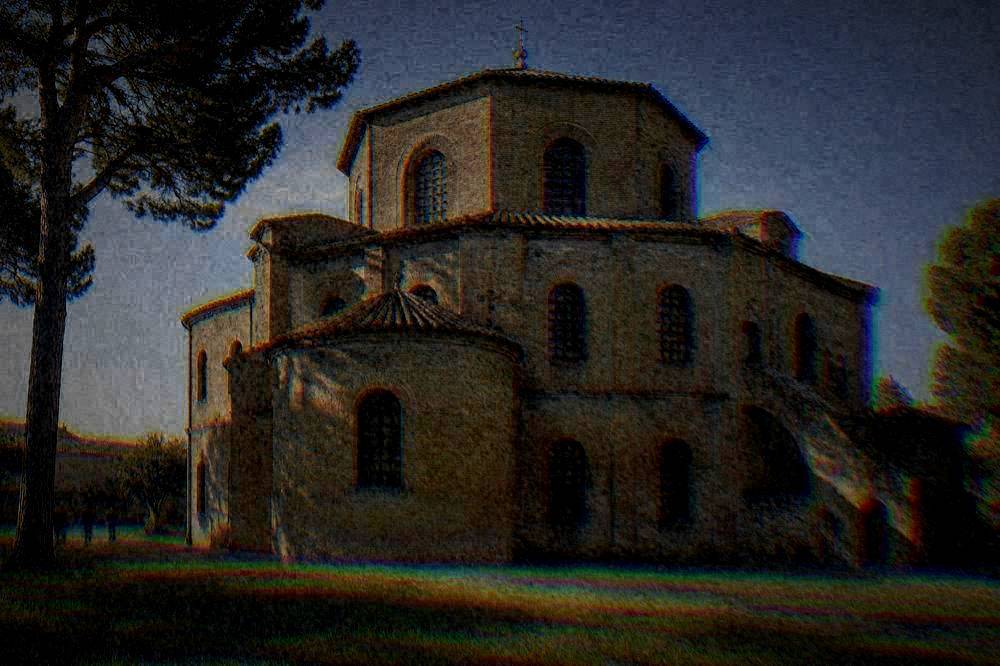
Ravenna With Kids
Ravenna rewards families with small-scale sights, walkable streets and gelato-fuelled museum visits. Here is what the official pages say about visiting the mosaic city with children.
Short answer
Ravenna works well with kids: the historic centre is flat, compact and traffic-light, eight UNESCO mosaic monuments sit within walking distance of each other, entry is free for children up to 10 at the mosaic sites, and the beach and Mirabilandia are short hops away.
Ravenna, the mosaic city of Emilia-Romagna in northern Italy, turns out to be one of the more manageable Italian cities for a family trip. The historic centre is flat, compact and free of the traffic that makes bigger cities stressful with a buggy in tow, the eight UNESCO-listed Early Christian monuments sit within a short walk of one another, and the Ravenna Mosaici ticket page states plainly that children aged 0 to 10 enter those sites free. Add a flat Po-valley landscape made for bicycles, beach resorts a bus ride away and one of Italy's large theme parks down the road, and the city covers a family week without much repetition. This guide sets out what the official sources say about each piece of that plan.
The basics first. Italy uses the euro, the emergency number is 112, and Ravenna is inland on the flat Po plain, about 8 km from the Adriatic coast. The historic centre is walkable end to end, the railway station is a short walk from it, and the beach resorts of Marina di Ravenna, Punta Marina, Lido Adriano, Lido di Classe and Lido di Savio are strung along about 35 km of coast, reached by Start Romagna bus from the station. Nothing about the city requires a car once you arrive, which is the single biggest point in its favour for families.
Is Ravenna A Good City For A Family Trip?
Yes, Ravenna suits families well, because the historic centre is flat, compact and largely free of through traffic, the eight UNESCO monuments are grouped within a short walk of each other, and the Ravenna Mosaici ticket page lists free entry for children aged 0 to 10 at the mosaic sites. The city is inland, so the beaches are a bus ride rather than a stroll, but everything a family needs day to day sits inside one walkable core.
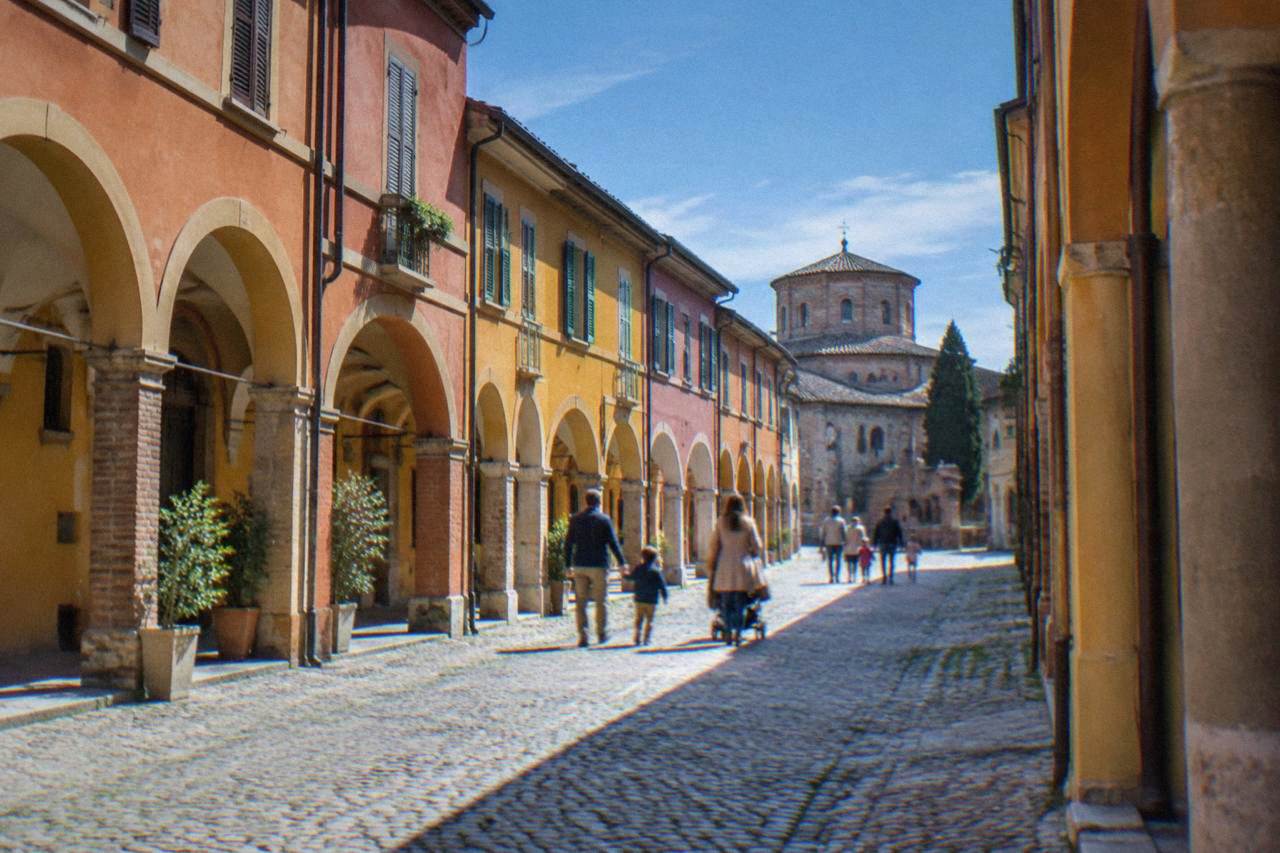
The centre is small. Piazza del Popolo, the main square, the Dante area and the cluster of mosaic monuments around San Vitale and Galla Placidia all sit within a few minutes' walk of each other on level ground, which matters if you are pushing a stroller or pacing a tired six-year-old. The municipal tourism pages describe the centre as walkable, and that is the experience the street plan supports: porticoed streets, cobbled lanes and quiet corners rather than wide roads.
Two practical notes from the official pages. First, the historic centre has a camera-enforced limited traffic zone, the ZTL: gates operate on different bands, some from 7:30 to 20:30 and some around the clock, a daily permit costs about EUR 8 and is bought at the 24-hour parcometers, and hotels can issue guest authorisation, so if you drive in, arrange parking through your accommodation. Second, the tourist tax applies per night, at about EUR 1 per night in 1 to 2 star hotels, EUR 2 in 3 star, EUR 3 in 4 star and EUR 4 in 5 star, about EUR 1.20 in hostels and EUR 1.50 in B&B and rooms, under a tariff in force from 1 January 2023; confirm the current amount at booking.
For a sense of how much a family can pack in, the site's one day in Ravenna itinerary page works for families with older children, and the Ravenna Travel Guide homepage collects the full range of tours and day trips.
Which Mosaic Monuments In Ravenna Work Best With Kids?
San Vitale, the Mausoleum of Galla Placidia, the Neonian Baptistery, Sant'Apollinare Nuovo, the Arian Baptistery, the Archiepiscopal Chapel, the Mausoleum of Theodoric and Sant'Apollinare in Classe are the eight UNESCO monuments, and children aged 0 to 10 enter the Ravenna Mosaici sites free, with reduced fares for students. Galla Placidia and the Neonian Baptistery take bookings with short timed stays, so those two need planning around young attention spans.
The eight monuments were inscribed by UNESCO in 1996 as a group. What a family actually sees, in the words the listing permits, is gold-ground glass mosaic, brick drums, domed chapels and star-filled ceilings, the kind of dense glitter that holds a child's eye far better than a wall of paintings. You do not need art history to play "count the animals" in the mosaics of Sant'Apollinare Nuovo or to spot the apostles walking across the dome of the Neonian Baptistery.
The ticket mechanics come from the Ravenna Mosaici pages. The combined ticket is valid one week with one admission per monument, and an entry time must be booked for each monument on the itinerary. Galla Placidia and the Neonian Baptistery need mandatory timed entry with stays of a few minutes, and San Vitale admits in slots. Reduced fares on the combo start at EUR 9.50 for two monuments, EUR 11.50 for four and EUR 13.50 for five; reduced applies to students, non-accredited journalists and paying groups over 20, while free entry covers children 0 to 10, residents of Ravenna, ICOM members, licensed guides, and disability plus companion.
Hours matter with children. The Ravenna Mosaici page gives summer hours of 9:00 to 19:00 from 8 March to 2 November 2026, and winter hours of 10:00 to 17:00 from 3 November 2026 to 6 March 2027, closed 25 December and 1 January. Outside the combo, the Visit Ravenna page for the Mausoleum of Theodoric lists EUR 6 entry, EUR 5 concession, EUR 2 for ages 18 to 25, hours 8:30 to 17:30, and a EUR 7 combination with the Arian Baptistery and Theodoric's Palace; Sant'Apollinare in Classe is EUR 6 full and EUR 2 reduced, open Monday to Saturday 8:30 to 19:00 and Sunday 13:30 to 19:00. Dante's tomb is free, open 10:00 to 18:00 November to March and 10:00 to 19:00 April to October, and it sits beside the basilica of San Francesco, where Dante-themed souvenirs and the quiet square give children a break between monuments.
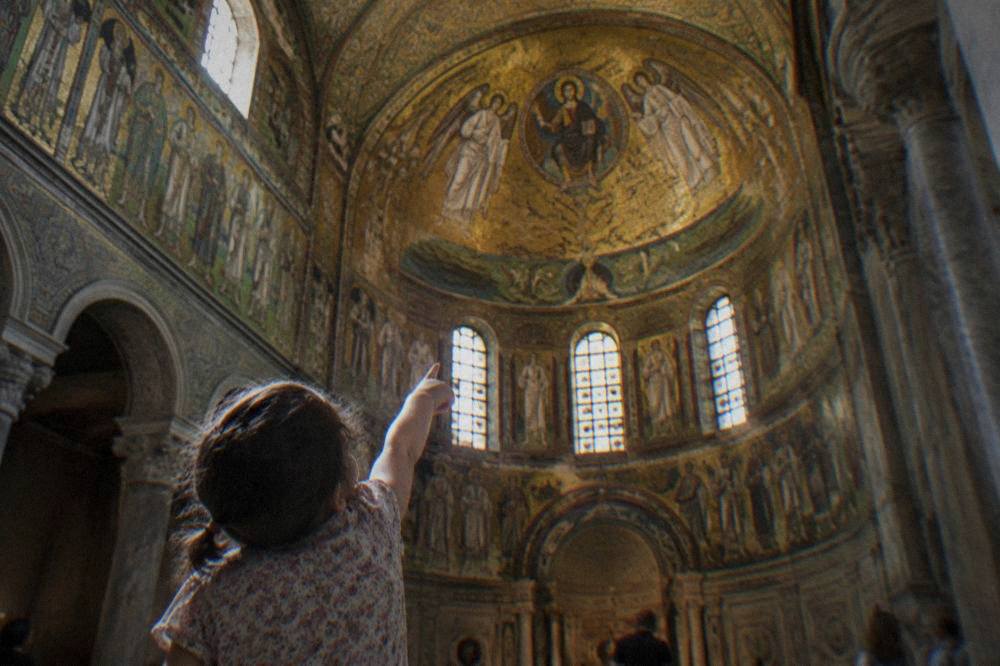
A realistic family rhythm is two or three monuments in a morning, a gelato stop, then one more after lunch. The Ravenna UNESCO sites guide lists all eight with details, the Ravenna mosaics guide goes deeper on the floors and ceilings, and the combo ticket guide explains the one-week validity and the booking rules in full.
If your children are old enough for a longer walk, a guided visit does the explaining for you. The choices below include a beach day for the middle of the week and a private walk that lets you set the pace with children in tow.
Which Ravenna Tours Suit Families With Children?
A private walking tour suits families best, because the pace, the stops and the content bend to the children rather than the group, and Ravenna has several private options plus gelato and piadina making classes designed around food. For a bigger day out, a beach-lunch private tour combines the historic centre with the coast, and the e-bike tours suit confident teenage riders on the flat Po-plain lanes.
The private formats are the natural fit. A private guide will slow down, skip the long explanations and answer the questions children actually ask, and the listings for Ravenna's private walks describe local experts leading visits to the mosaics and the historic lanes. One option that reads especially well for families is the RAVENNA & LUNCH ON THE BEACH private day tour: the listing says it pairs the city's history with lunch on the coast, which breaks a long sightseeing day into two halves a family can survive. You can read the details on its tour page or Check availability.
Food classes are the other family-friendly category. The gelato making classes run in a working gelateria, so children watch and take part in the actual process rather than a demonstration, and the piadina cooking class teaches the flatbread that Romagna eats at every roadside stop. The birdwatching tour with a 40-species guarantee belongs on the list for teenagers with binoculars, since the Po Delta and the Cervia salt pans host flamingos year-round.
To let the kids churn a batch themselves, book a gelato making class here.
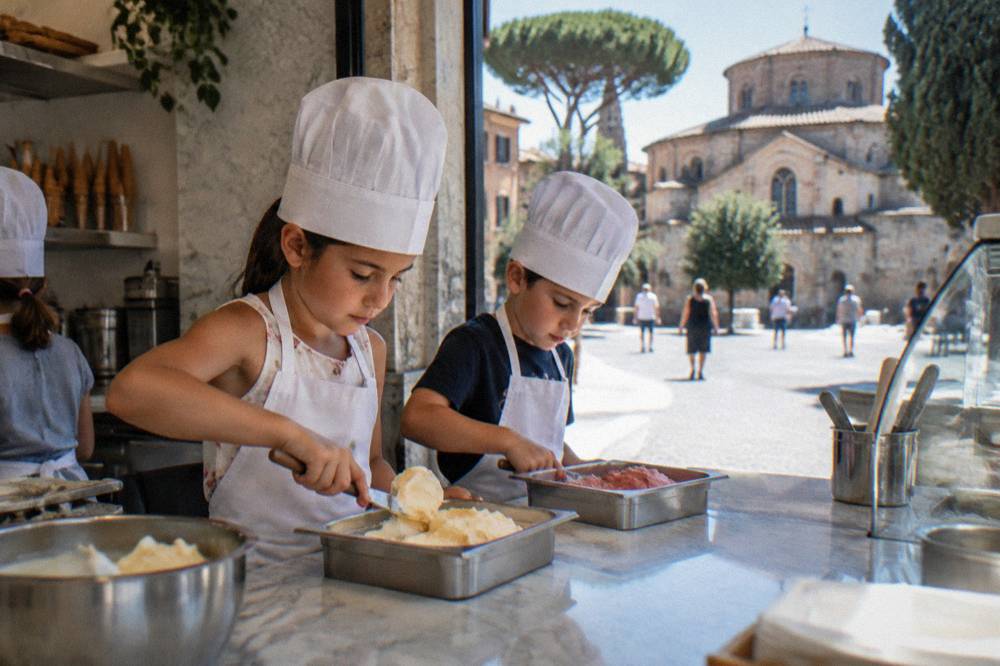
A class in the middle of the trip also resets the museum fatigue that sets in after two mornings of mosaics. The two options below are the ones the listings describe in the most family-relevant terms.
For the readers who want a cooking morning rather than a freezing churn, this is the flatbread version, and piadina is the snack children in Romagna grow up on.
Should A Family Book A Tour Or Go Alone In Ravenna?
Going alone works, because the centre is small, the ticket rules are clear on the official pages and the monuments explain themselves visually, but a guided visit adds context that children rarely get from a wall panel. A private tour costs more per family and buys control of the itinerary, a shared walk costs less and brings the social energy some children prefer, and entry-only tickets leave you fully self-directed. The middle path many families take is one guided walk on day one, then self-guided visits for the rest of the week using the combo ticket's one-week validity.
| Family tour style in Ravenna | What it covers | Best for |
|---|---|---|
| Private walking tour | Mosaics and centre at your family's pace | Under-10s, mixed ages, first day |
| Shared mosaic walk | Group visit to the UNESCO sites | Budget, older children |
| Gelato making class | Hands-on production in a gelateria | Ages 6 and up |
| Piadina cooking class | Flatbread making, Romagna staple | Ages 5 and up |
| Beach-lunch private day | History plus a coast lunch | A mid-week reset day |
| E-bike tour | Flat lanes between history and nature | Confident riders, teens |
Planning A Family Day Out Of Ravenna?
A private day tour keeps the schedule flexible when children set the tempo, and free cancellation protects the plan against the small disasters of family travel.
Is Mirabilandia Worth A Day Trip With Kids From Ravenna?
Mirabilandia, the large theme park near Ravenna, runs its 2026 season to Sunday 1 November 2026, with autumn openings at weekends, and it is the region's headline family attraction, with roller coasters and family rides on a scale the city itself cannot offer. Ticket prices, 2027 dates and ride counts are not published here, so check the park's own page before planning the day.
The park sits a short drive from Ravenna towards the coast, and it fills the role Disneyland fills for other cities: the day when sightseeing stops and rides take over. The 2026 season information comes from secondary sources, which give the closing date of 1 November 2026 and weekend-only openings in the late-September and October stretch, with Halloween-themed late openings on dates in late October. After 1 November the park goes dark for winter, and no 2027 dates have been announced, so an autumn half-term trip needs to land before the closing Sunday.
Practically, the day works best by car or transfer, since the park is not on a direct rail line from Ravenna. Check the park's official page for current ticket prices and opening hours before you promise the children anything, because those figures change by season and are not carried here.
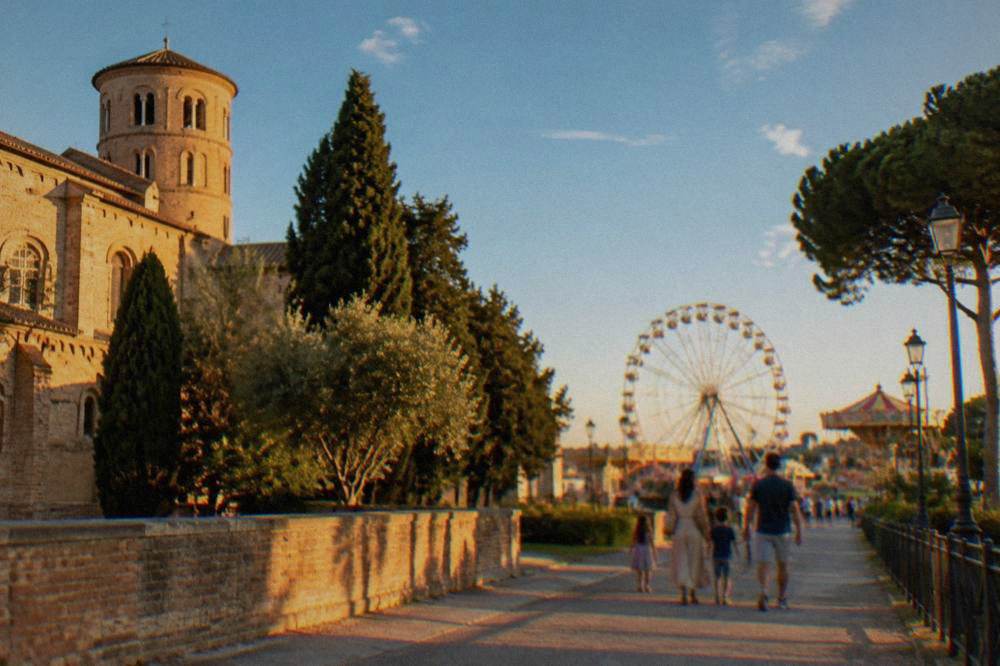
Can You Take Kids To The Beach From Ravenna?
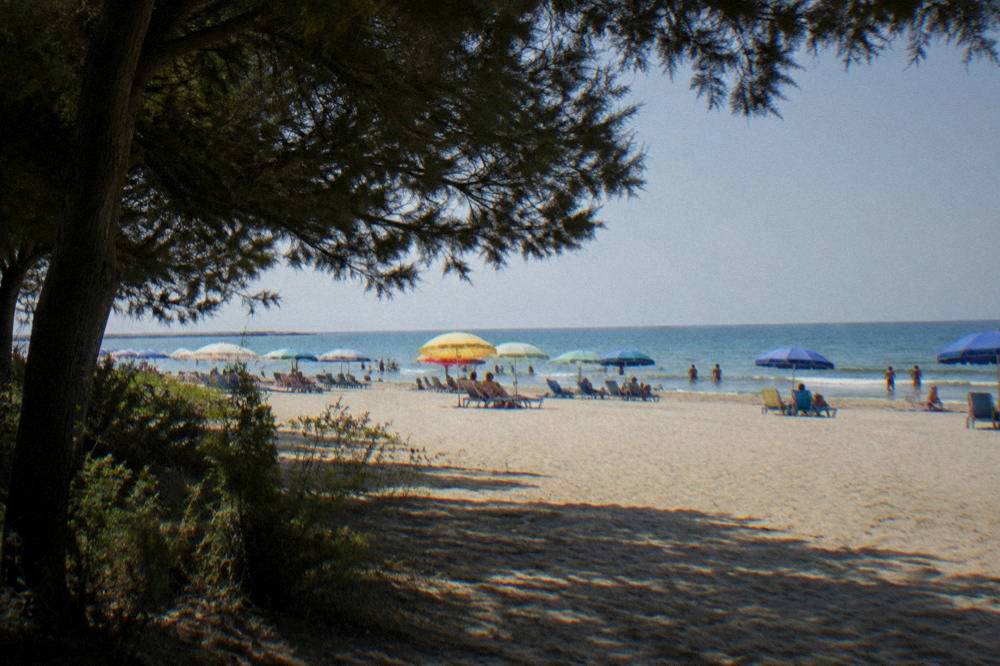
Yes, but the beaches are not in the city: Ravenna's historic centre is inland, and the resorts of Marina di Ravenna, Punta Marina, Lido Adriano, Lido di Classe and Lido di Savio lie about 8 km or more away along roughly 35 km of coast, reached by Start Romagna bus from the station, by bike or by car. In the cooler months a 25,000 cubic metre sand barrier stands at Punta Marina, Marina di Ravenna Sud and Lido di Savio until spring 2027.
Marina di Ravenna is the closest and the liveliest resort, with a seafront of beach clubs, play areas and ice cream shops; Punta Marina is quieter and backed by pine woods; Lido Adriano, Lido di Classe and Lido di Savio run further south towards Cervia. All are built for Italian summer family life, which means sunbeds, lidos and evening passeggiata rather than wild coastline. The Ravenna beaches guide covers the resort differences, and the site's page on where to stay covers beach hotel options if you would rather base the family on the coast.
Timing matters. The climate table for Ravenna, modelled ERA5 normals for 1991 to 2020, gives July a mean of 25.2 C and January 5.1 C, with July the driest month at 38.1 mm and November the wettest at 78.3 mm; about 674 mm falls across the year. The beach season runs May to September, and in the autumn and winter the sand barrier works reshape sections of the shore, so a winter beach walk is possible but not a swimming day. For lido entrance fees and sunbed prices, check with the individual beach clubs.
| Ravenna beach resort | Character for families | Distance from the centre |
|---|---|---|
| Marina di Ravenna | Liveliest, beach clubs, play areas | About 8 km or more |
| Punta Marina | Quieter, pine-wood backdrop | About 10 km |
| Lido Adriano | Family lidos, calmer | About 12 km |
| Lido di Classe | Wide sand, near Classe basilica | About 14 km |
| Lido di Savio | Southernmost, near Cervia | About 17 km |
What Should Families Eat In Ravenna?
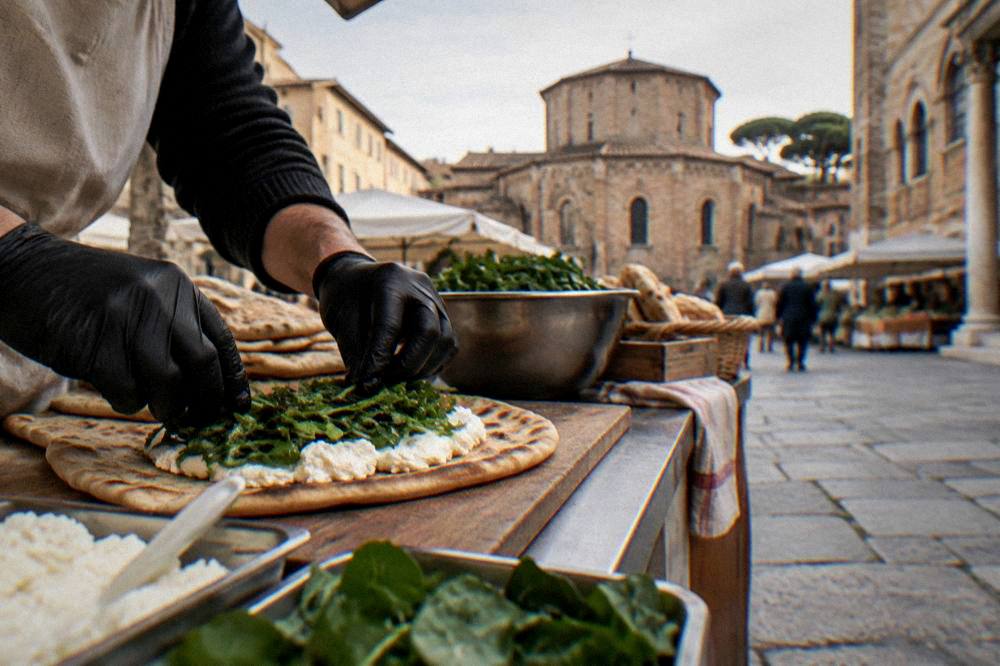
Piadina is the everyday family food of Ravenna: a flatbread filled with cheese, greens or cured meat, sold by the piece and eaten by hand, and the Visit Ravenna pages present it alongside cappelletti and Romagna wines as the city's staples. Restaurant menus carry a legal cover charge, the coperto, when printed on the menu, and tipping is not obligatory.
Piadina solves the children's-lunch problem by design: it is hot, handheld and customizable, and every bakery in the centre sells it. The piadina Romagnola guide explains the bread and its fillings, the Ravenna food guide covers the wider table, and the restaurants guide points at where the eating happens. Cappelletti, the little hat-shaped stuffed pasta served in broth, is the sit-down dish, and the gelaterias of the centre handle everything else a child requests.
Two budget notes. The menus in the centre display their own food prices. And on the bill, the coperto is legal when it is printed on the menu, so check the first lines of the bill rather than treating it as a surprise, and round up only if the meal was good, since tipping is not obligatory in Italy.
How Do You Get Around Ravenna With Children?
On foot inside the centre, by Start Romagna bus to the beaches and Classe, and by bike everywhere else: Ravenna is flat, the station is a short walk from the historic core, Line 1 of the city bus runs free every day under the winter timetable in force to about 6 June 2027, and the coastal resorts are served from the station. A car is only needed for Mirabilandia and the more distant day trips.
The centre's size does the work. Everything from the station to Piazza del Popolo to the mosaic cluster is a short walk on level ground, and the porticoed streets give shade in summer and cover in rain, which the rainy day guide makes use of. For the outbound legs, the Start Romagna buses run from the station to the beach resorts under a winter timetable book published by the operator, and the Line 1 city service was made free for the whole winter period from 15 September 2026, per the municipal announcement, which reported a 25 percent rise in passengers in its first fortnight.
Arriving from elsewhere, the rail links are regional: Bologna Centrale is about 84 km away by direct regional train with journeys of about 1 hour to 1 hour 20, and the getting around guide plus the Bologna to Ravenna guide carry the detail. If you land at Bologna airport, the route is the Marconi Express to Bologna Centrale, then a regional train, about 2 to 2.5 hours door to door; the airport transfer guide covers it step by step.
| Ravenna family journey | Best mode | Notes from the official pages |
|---|---|---|
| Station to the mosaic centre | On foot | A short walk on flat streets |
| Centre to Marina di Ravenna | Start Romagna bus | Departs from the station area |
| Centre to Sant'Apollinare in Classe | Bus, bike or car | The basilica lies outside the centre |
| Centre to Mirabilandia | Car or transfer | Not on a direct rail line |
| Ravenna to Bologna | Regional train | About 1 hour to 1 hour 20, about 84 km |
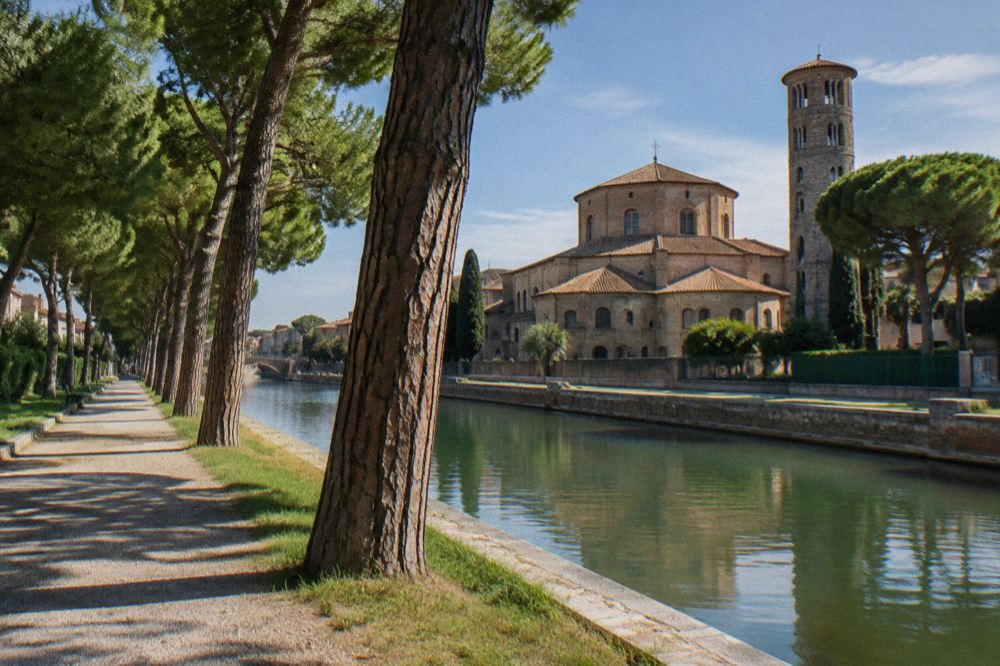
The bike deserves its own mention. Ravenna is one of the flattest cities in Italy, the lanes towards Classe and the coast are traffic-light, and a family of cyclists can cover distances that would take twice as long on foot with complaining. For teenagers, the guided e-bike tours listed further up run the same routes with a guide.
Where Should A Family Stay In Ravenna?
Inside the historic centre is the family default, because every monument, restaurant and gelateria sits within a short walk and no daily transport is needed, while Marina di Ravenna suits families prioritising the beach, and the station area trades a slightly longer walk for easier rail arrivals and departures.
The centre keeps evenings simple: dinner, gelato and the walk back all happen on foot, and the ZTL keeps the streets quiet at night. The beach resorts flip the balance towards sand and sea with a bus or car commute into the city for the mosaic days. The site's where to stay guide compares the areas district by district, the hotels guide collects the options, and the apartments page covers self-catering, which many families prefer for the breakfast-and-snacks problem.
Two cost notes that apply wherever you book. The tourist tax runs about EUR 1 to EUR 4 per person per night depending on the property's star rating, under the tariff in force from 1 January 2023, so ask for the current amount at booking. And no nightly room rate is quoted anywhere on this site; the live figures sit on the booking pages themselves.
When Is The Best Time To Visit Ravenna With Kids?
Late spring and early autumn give Ravenna its best family conditions, with the climate table, modelled ERA5 normals for 1991 to 2020, showing May at a 17.9 C mean and September at 20.3 C, against July's 25.2 C peak and the summer 9:00 to 19:00 monument hours that end on 2 November 2026. November is the wettest month at 78.3 mm and July the driest at 38.1 mm, so pack for rain rather than heat outside summer.
The timing decision is really about three clocks. The monuments run summer hours of 9:00 to 19:00 until 2 November 2026, then 10:00 to 17:00 through the winter to 6 March 2027, so long summer evenings fit an extra site after dinner-season gelato, while winter visits want an earlier start. The beach season runs May to September, outside which the sand barrier and the closed lidos change the coast's character. And the events calendar gives autumn families a bonus: each October brings Notte d'Oro with free evening access to monuments, and 2026's edition fell on 17 October, while the Ravenna Festival's autumn trilogy "Mozart 1791" runs 13 to 17 November 2026 at Teatro Alighieri, an evening out that suits teenagers more than toddlers.
The best time to visit guide and the weather guide carry the month-by-month detail, and the is Ravenna worth visiting page answers the broader question for families weighing the trip against Bologna or Venice.
| Ravenna family month | Mean temperature | Rainfall | Family notes |
|---|---|---|---|
| March | 9.4 C | 54.9 mm | Cool, indoor sights |
| May | 17.9 C | 58.2 mm | Warm, pre-crowd |
| July | 25.2 C | 38.1 mm | Driest month, beach weather |
| September | 20.3 C | 57.9 mm | Sea still swimmable |
| November | 10.6 C | 78.3 mm | Wettest month, Mozart trilogy |
Common Questions About Visiting Ravenna With Kids
Is Ravenna good for kids?
Yes. The centre is flat, compact and walkable, children up to 10 enter the Ravenna Mosaici monuments free, gelato and piadina solve most meal negotiations, and the beaches and Mirabilandia sit a short hop away by bus or car.
Are children free at the Ravenna mosaics?
The Ravenna Mosaici ticket page lists free entry for children aged 0 to 10, Ravenna residents, ICOM members, licensed guides, and disability plus companion, with reduced fares for students, non-accredited journalists and paying groups over 20.
How many days does a family need in Ravenna?
Two days cover the central monuments at a child's pace, a third adds Sant'Apollinare in Classe and Classis Ravenna, and a week lets you add the beach, Mirabilandia and a day trip to Bologna or Comacchio without rushing.
Can you visit Ravenna with a stroller?
Yes, with patience for cobbles. The centre is level and the monuments are close together, though the Neonian Baptistery and Galla Placidia involve small spaces and short booked stays, so a baby carrier can be easier than a stroller inside those two.
Is Mirabilandia open in autumn?
The 2026 season runs to Sunday 1 November 2026, with weekend openings through late October and Halloween events on dates in late October, per secondary sources. Check the park's own page for hours and tickets, and no 2027 dates have been announced.
What is the emergency number in Ravenna?
112, the single European emergency number, serves Italy for police, medical and fire services.
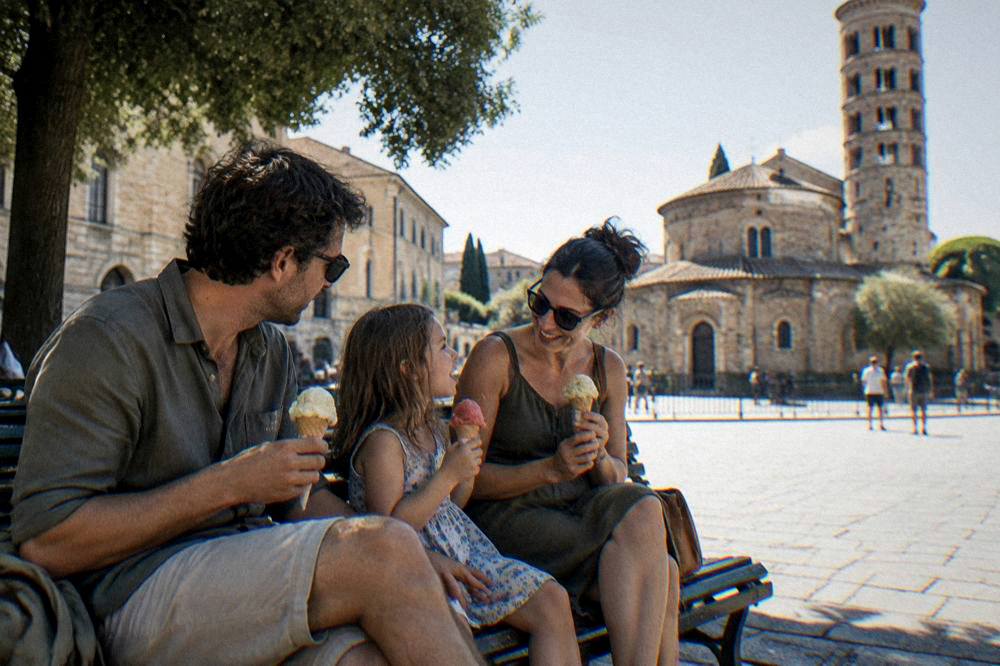
A final planning note for families: the shape of a Ravenna trip is short walks, short visits and frequent snacks, and the city's geography makes that easy. Book the combo ticket with its one-week validity so no single day carries too many monuments, keep one beach or park day in the middle, and let the flat streets do the rest.